Recognition begins long before the announcement. It depends on how clearly a project’s ambition, decisions, and execution come through. These selected cases show how BMA has helped studios present their work to international juries.
Material lists do not explain design. The question is what each decision responds to, and what it achieves.
BMA presents that reasoning designer to designer: factual, direct, and grounded in the work. Each statement links a design response to a clear purpose or outcome.
BMA also manages registration and submission details, so the studio can stay focused on design.
BMA looks at the project first, then the award. Eligibility, categories, and judging criteria determine where its strengths are most relevant.
Each submission foregrounds the decisions a jury needs to assess, supported by project-specific facts and outcomes, without overstating the work.
From required files to deadlines and organiser correspondence, BMA keeps each entry on track.
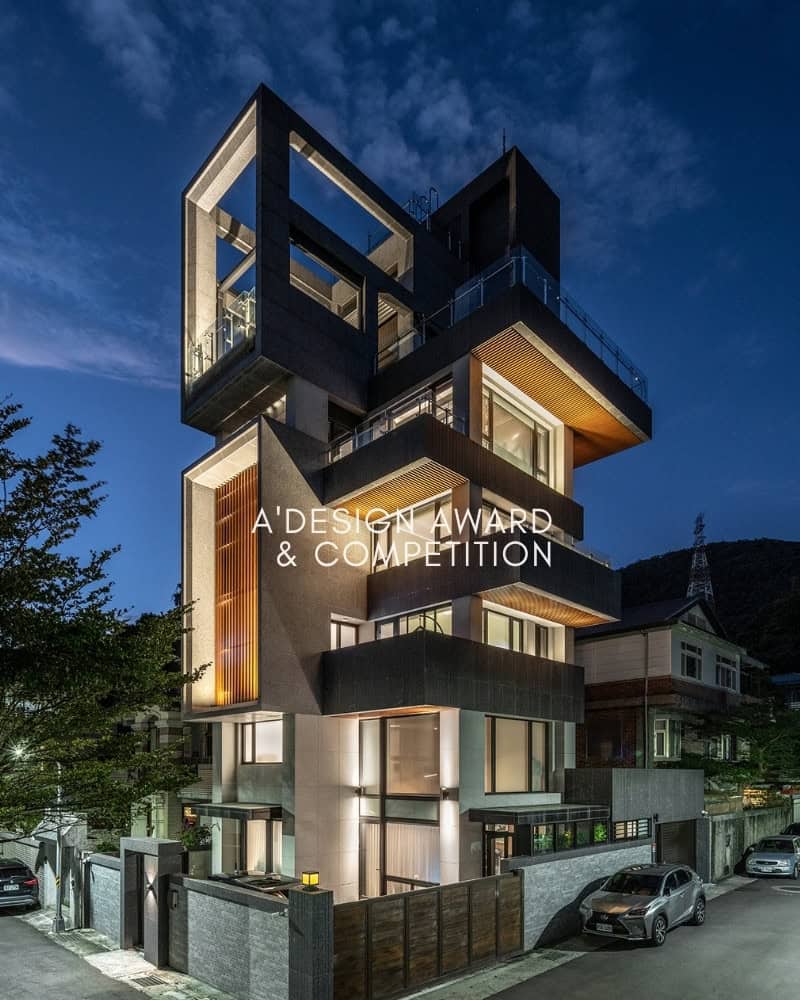
The entry brought the home’s everyday rituals into focus, connecting spatial planning, daylight, and material choices.
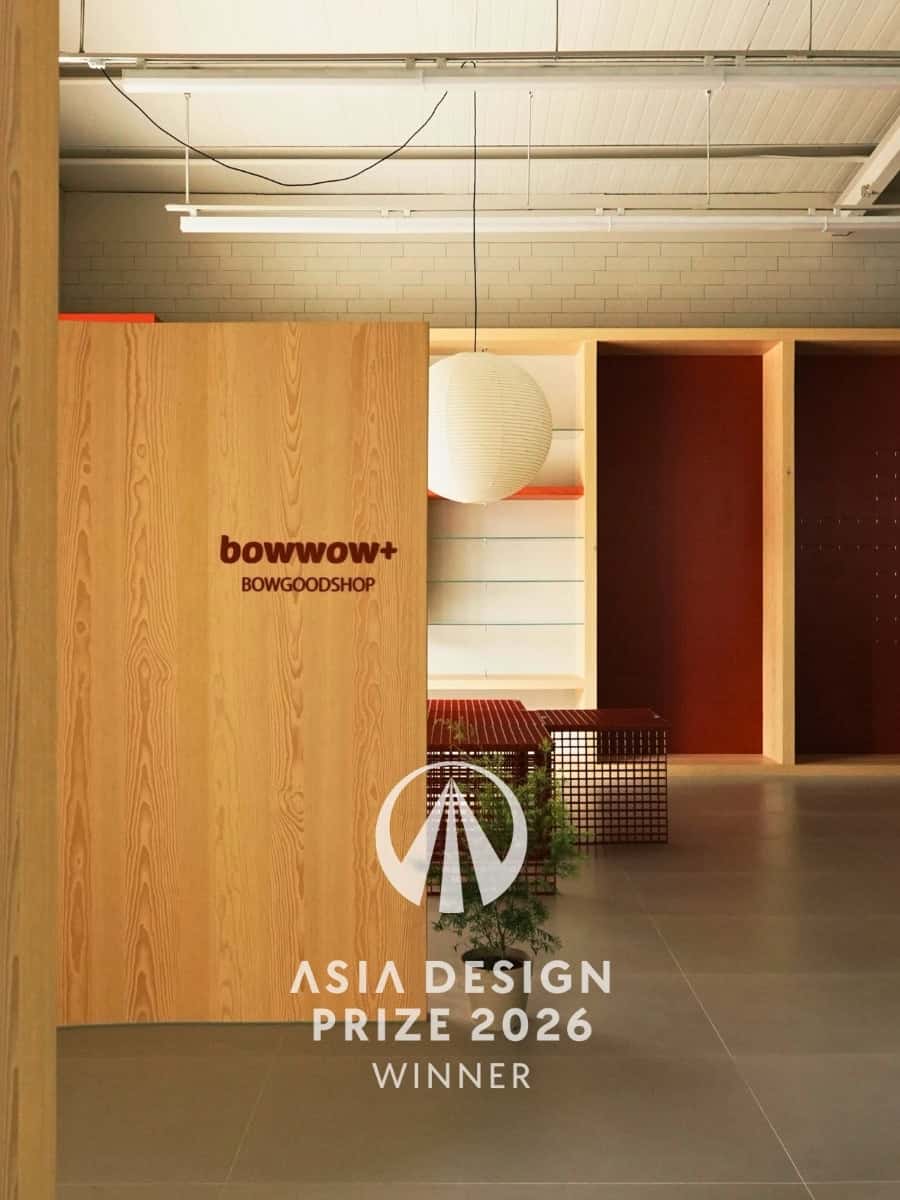
The entry traced how spatial transitions and a restrained interior atmosphere expressed the brand’s identity.
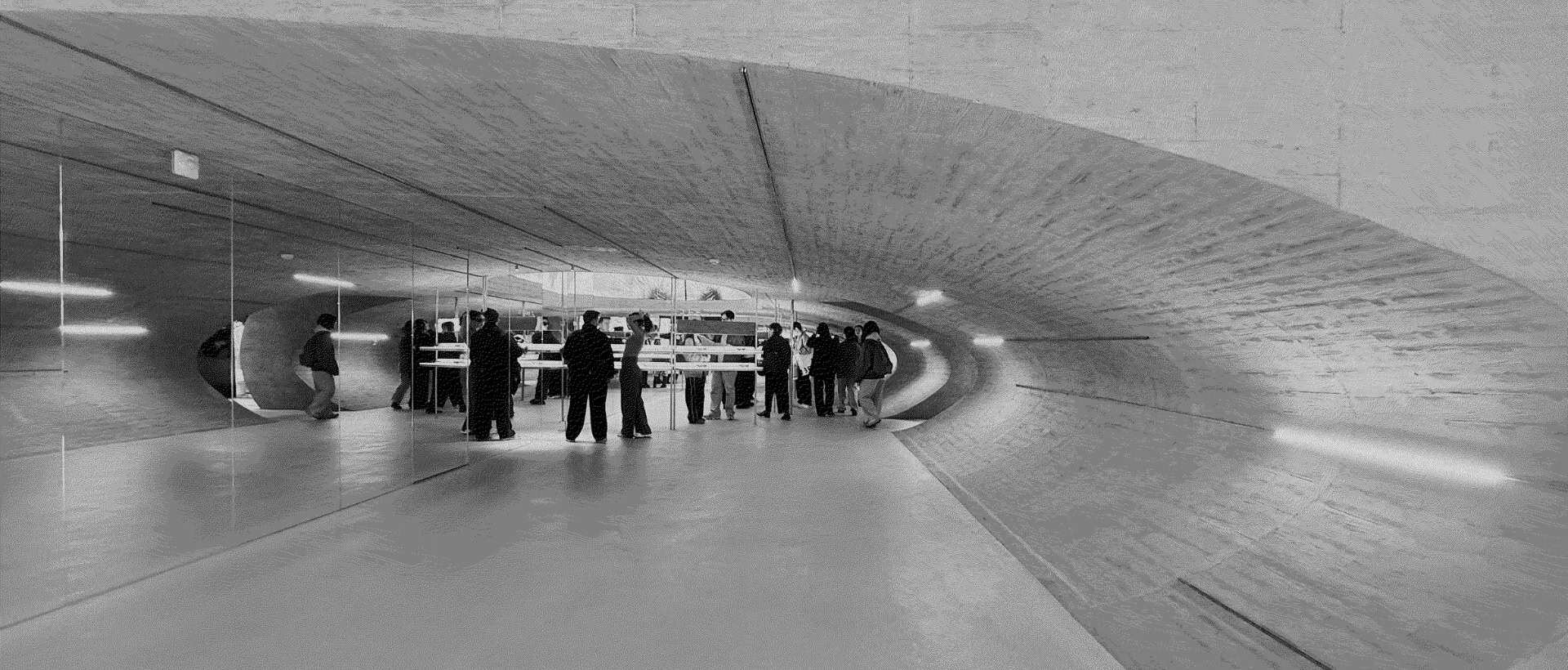
The entry connected structural expression with the site and the use of locally sourced materials.
Design exhibitions and award events in Berlin, Milan, Lake Como, and Seoul bring BMA into direct contact with projects and practitioners. That perspective informs the questions asked of every submission, alongside each award’s own criteria.
Tell BMA what matters about your project. The next step starts there.
Schedule a Portfolio Strategy Dialogue